Stop Chasing Anchor Tenants: The Basement Lesson American Malls Keep Ignoring
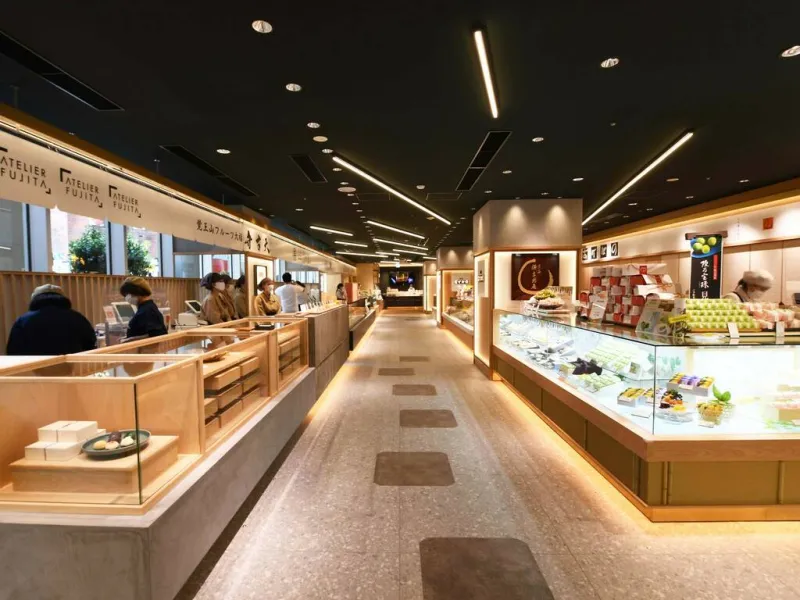
Photo: Japanese department store underground food hall depachika, via media.timeout.com
American retail's obituary has been drafted so many times that the genre has become its own category. Yet in Tokyo, department stores—presumably the most obsolete format of all—draw staggering crowds to the least glamorous real estate they own: the basement. The depachika, the underground food hall, generates a disproportionate share of revenue for Japan's great emporiums and pulls millions of shoppers through the doors every week.
American mall owners, meanwhile, keep waiting for a department store to save them. It's time to say plainly: that strategy is over, and the depachika shows what should replace it.
Why the Basement Wins
The depachika works because it violates almost every rule of American mall leasing. The tenants are small, many are local, and their offerings are perishable—meaning customers must return, often daily. The food hall at Tokyo's Isetan or Takashimaya isn't a convenience; it's a destination with a built-in expiration date. Tonight's bento cannot be purchased next week.
Contrast that with the American mall's founding logic: sign a big anchor, collect rent, and let the anchor's traffic feed the smaller shops. When the anchor dies—Macy's, Sears, JCPenney—the whole ecosystem collapses with it. The depachika model inverts this. No single tenant matters more than the collective promise: come here every day and something will be worth your trip.
Destination Versus Store
There is a deeper distinction at work. A store sells products; a destination sells an occasion. Depachika visits are rituals—the lunchtime errand, the evening stop for a hostess gift, the weekend indulgence. The theater of it matters too: hand-wrapped confections, seasonal displays that change with almost Japanese punctuality, counters where you watch food being made. Shoppers aren't extracting goods; they're participating in something.
American landlords have flirted with 'experiential retail'—a climbing wall here, a pickleball court there. But these are attractions, not rituals. Nobody goes rock climbing three times a week at the mall. People buy dinner three times a week, and that frequency is the entire business model.
The Challenge to US Landlords
So here is the uncomfortable prescription. Stop allocating your best square footage to the fantasy of a resurrected anchor department store. Convert the dead anchor box—or better, the underused lower levels and parking podiums—into curated food retail with genuine turnover: local bakeries, prepared-food counters, specialty grocers, rotating seasonal vendors.
Curated is the operative word. The depachika is not a food court. It is edited, quality-obsessed, and expensive enough to signal value. A random food court with four franchise operators will not save a dying mall; a tightly managed hall of vendors people cannot find elsewhere might.
The obstacles are real. Food tenancy means managing refrigeration, ventilation, health compliance, and thinner-margin tenants. It demands landlord competence that collecting anchor rent never required. But the alternative—waiting for retail gods that are not coming—is not a strategy. It's a slow-motion liquidation.
Some American developers are already learning this. High-end food halls in cities like Chicago and Atlanta have shown that food-driven destinations can anchor districts. But too many remain half-measures: a handful of stalls in a dead corner, treated as an amenity rather than the engine.
The depachika's deepest lesson is about rhythm. Japanese department stores understood that the only durable customer relationship is a habit, and the only reliable habit is one with a reason to repeat tomorrow. American malls built their fortunes on the occasional trip. The ones that survive will be the ones that figure out, as Tokyo's basements long ago did, how to become part of the daily loop.