Circularity as Strategy: What Japan's Thriving Resale Economy Reveals About the Next Frontier of American Commerce
Walk into a Hard Off or Book Off location anywhere in Japan and you will find something that rarely exists in American retail at comparable scale: a meticulously organized, professionally staffed environment dedicated entirely to the resale of pre-owned goods. Items are graded, priced with precision, and displayed with the same care a conventional retailer might apply to brand-new inventory. There is no stigma attached to the transaction. There is, in fact, considerable pride.
This is not a flea market. It is a mature industry.
Japan's resale and refurbishment sector has evolved over several decades into a sophisticated commercial ecosystem that generates tens of billions of dollars annually. For American business leaders navigating an era defined by sustainability pressures, shifting consumer values, and margin compression, the Japanese approach to secondary markets is not merely instructive—it is urgent reading.
The Infrastructure Behind the Secondhand Revolution
What distinguishes Japan's resale economy from its American counterpart is not simply volume. It is infrastructure. Japanese companies invested early in the systems, grading standards, and consumer trust mechanisms that transform casual resale into repeatable, scalable commerce.
Platforms such as Kakaku.com, which began as a price comparison engine, helped normalize the evaluation of used goods alongside new ones by giving consumers transparent, data-driven pricing benchmarks. When a buyer in Osaka can verify that a refurbished camera body is priced accurately relative to its condition and market comparables, hesitation dissolves. Trust, once manufactured through infrastructure rather than assumed, becomes a commercial asset.
Brick-and-mortar recycle shop chains—a category that encompasses electronics, instruments, apparel, furniture, and sporting goods under one roof—extended this trust into physical retail. Brands like Treasure Factory and 2nd Street operate hundreds of locations nationwide, functioning less like thrift stores and more like specialty retailers with defined quality tiers, seasonal buying strategies, and loyalty programs. Their supply chains run in reverse: consumers bring goods in, stores assess and price them, and merchandise cycles back into the market at a velocity that would surprise most American retail analysts.
Mercari, the Japanese peer-to-peer marketplace that has since expanded into the United States, demonstrated that this culture of confident resale could be digitized without losing its integrity. By building seller rating systems and buyer protections that mirror those of conventional e-commerce, Mercari removed the friction that had long kept American consumers cautious about secondhand digital transactions.
Why American Entrepreneurs Should Be Paying Attention
The United States resale market is growing rapidly—research firm GlobalData has projected it will reach $70 billion by 2027—but much of that growth remains fragmented, inconsistent in quality, and dependent on platforms that treat resale as a side feature rather than a core discipline. The gap between where American circular commerce is and where Japan's has been for two decades represents a significant entrepreneurial opportunity.
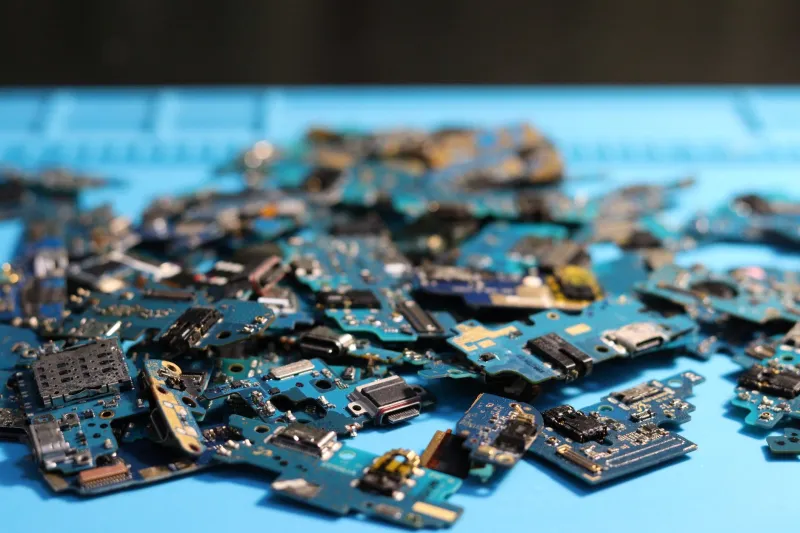
Consider the electronics segment. In Japan, refurbished consumer electronics are sold through dedicated retail environments with manufacturer-equivalent warranties, detailed condition disclosures, and after-sale service commitments. The product is not positioned as a compromise. It is positioned as a value-intelligent choice. American companies like Back Market have begun moving in this direction, but the broader retail and brand community has been slow to follow.
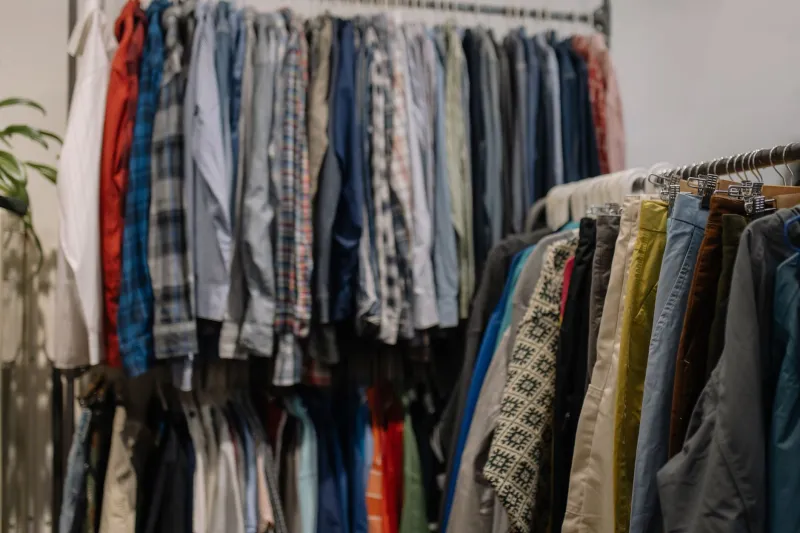
The apparel sector tells a similar story. Japan's vintage clothing market—particularly concentrated in Tokyo's Shimokitazawa and Harajuku districts—has developed an international reputation for curation quality that commands premium pricing. American resellers, by contrast, have historically competed primarily on price rather than expertise. The Japanese model suggests that deep product knowledge, consistent presentation standards, and community-building around specific categories can shift resale from a discount channel into a premium one.
The Brand Loyalty Dimension
Perhaps the most underappreciated insight embedded in Japan's circular commerce model is its relationship to brand loyalty. When a consumer sells a product back through a brand-affiliated resale channel, they remain within that brand's ecosystem rather than exiting it entirely. The transaction that might otherwise represent the end of a customer relationship instead becomes the beginning of the next one.
Several Japanese electronics manufacturers have recognized this dynamic and built buy-back and refurbishment programs that serve both environmental and retention goals simultaneously. A customer who trades in last year's device and receives a credit toward a new purchase has been retained at lower acquisition cost than one who was won back through advertising. The circular transaction is, in effect, a loyalty mechanism.
American brands in categories ranging from outdoor equipment to consumer electronics have begun experimenting with similar programs—Patagonia's Worn Wear initiative and Apple's trade-in program being notable examples—but these efforts remain exceptions rather than industry norms. Japan's experience suggests that when such programs are executed with genuine operational rigor rather than as marketing gestures, the commercial returns are substantial.
Structural Lessons for Market Entry and Expansion
For American entrepreneurs looking to build businesses in this space, or for established brands seeking to extend into circular commerce, several structural principles emerge from the Japanese model.
Grading standards are non-negotiable. Consumer confidence in secondhand goods is fragile until it is systematically reinforced. Japan's resale industry invested in transparent, consistent condition grading that removed ambiguity from the purchase decision. Any American operation seeking to scale will need to make a comparable investment.
Category depth outperforms category breadth at launch. The most successful Japanese resale operations built commanding expertise within specific product categories before expanding horizontally. Attempting to replicate the full breadth of a recycle shop chain from day one is a recipe for inconsistency. Depth of knowledge and curation within a defined niche creates the trust that enables eventual expansion.
Logistics are the business. In circular commerce, the reverse supply chain—acquiring, transporting, assessing, and restoring used goods—is where competitive advantage is built or lost. Japanese operators have refined these logistics over decades. American entrants who underestimate this operational complexity will find margin erosion arriving faster than revenue growth.
Community precedes transaction. Japan's most durable resale ecosystems are supported by enthusiast communities that value the goods themselves, not merely the savings. Vintage audio equipment, classic game cartridges, and heritage fashion all have dedicated communities in Japan whose expertise and passion sustain market demand. American operators who invest in community development rather than pure transactional marketing will find their customer acquisition costs declining over time.
The Larger Opportunity
Japan's resale and refurbishment economy did not emerge from a single policy decision or a single company's vision. It was built incrementally, through the accumulated decisions of businesses that recognized secondhand goods not as a problem to be managed but as an asset class to be developed. The cultural comfort with pre-owned products that characterizes Japanese consumer behavior today is, in significant part, a product of that sustained commercial investment.
American consumer attitudes toward resale are shifting rapidly, driven by economic pressure, environmental awareness, and the normalizing effect of platforms that have made secondhand transactions feel as routine as any other online purchase. The infrastructure question—who builds the grading systems, the reverse logistics networks, the community trust mechanisms—remains largely unanswered in the US market.
For entrepreneurs and business strategists watching that question form, Japan's decades of accumulated experience offer something rare: a detailed, real-world answer to a problem the American market is only beginning to articulate.