Winning Before the Vote: The Quiet Japanese Art of Building Consensus Behind Closed Doors
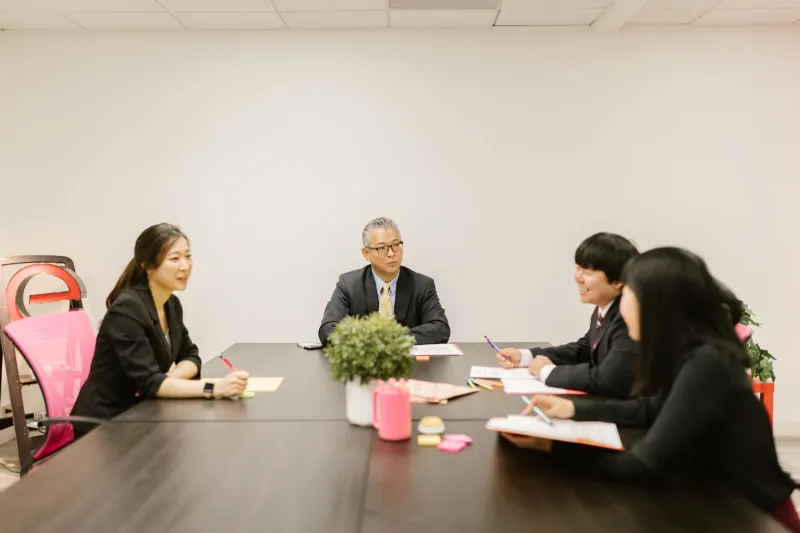
Walk into any major Japanese corporation and propose a transformative idea in a large meeting, and you will likely watch it die politely. Not because the idea was poor, but because it arrived unannounced. In Japanese business culture, the formal meeting is not a forum for persuasion—it is a confirmation ceremony for decisions that were already made, quietly, over coffee conversations and hallway exchanges in the weeks prior.
The practice has a name: nemawashi, literally the process of digging around the roots of a tree before transplanting it. Do the preparatory work carefully, and the tree survives the move. Skip it, and even a healthy transplant withers.
For American executives raised on the gospel of the big pitch, this can feel like inefficiency. It is anything but. It is a discipline for de-risking decisions—and one that US leaders can adopt immediately.
Why Cold Pitches Fail in Any Culture
Consider a familiar scenario. A vice president at a US manufacturer arrives at a leadership meeting with a polished deck proposing a new regional distribution model. She presents, answers questions, and meets resistance from two peers who feel blindsided and a CFO who hasn't had time to model the numbers. The proposal is tabled 'pending further review'—corporate speak for dead.
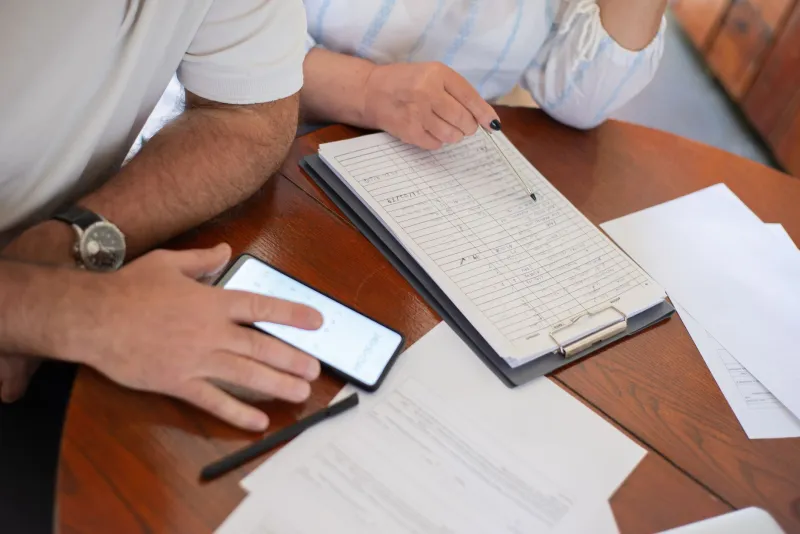
Now replay the same scenario with nemawashi applied. Six weeks earlier, the VP begins scheduling brief, informal conversations: coffee with the CFO to walk through rough financial assumptions, a call with the operations peer to hear his objections and fold his concerns into the design, a casual lunch with a skeptical board member. By the time the meeting convenes, every stakeholder has shaped the proposal. The presentation isn't a pitch—it's a summary of a consensus already built.
The difference isn't manipulation. It's respect. Nemawashi gives colleagues time to think, object, and contribute before their reputation is on the line in front of an audience.
The Mechanics: Four Moves That Change Outcomes
1. Map the real decision-makers. Org charts lie. In most organizations, influence flows through senior advisors, long-tenured managers, and informal gatekeepers. Before circulating anything in writing, identify who genuinely must say yes, who can veto, and who will whisper doubts in the parking lot.
2. Go one-on-one, and go early. The core of nemawashi is the private conversation. Keep it short, keep it informal, and—critically—listen more than you talk. Your goal in the first conversation is not agreement; it's intelligence. What are their constraints? What would make this a win for them?
3. Let the idea belong to everyone. When a stakeholder raises a concern, incorporate it visibly. When they offer a suggestion, adopt it and credit them. In the Japanese model, a proposal that succeeds is understood as a collective product. American executives often resist this, fearing dilution of credit. In practice, shared ownership is what gets proposals across the finish line.
4. Read the room before the room convenes. In Japanese practice, silence and hedged language are data. A colleague who says 'that could be interesting' may mean no. American professionals tend to take enthusiasm at face value; the nemawashi practitioner probes gently until the real position emerges—while there's still time to adjust.
A Checklist for Your Next Big Proposal
- List every stakeholder whose quiet opposition could kill the initiative—include informal influencers, not just titles.
- Schedule individual pre-conversations with each, at least two to four weeks before any formal decision point.
- In each conversation, ask: 'What would you need to see to feel confident supporting this?'
- Revise the proposal to reflect input, and follow up personally to show each person how their contribution shaped it.
- Gauge genuine temperature in each follow-up; treat lukewarm signals as a no until proven otherwise.
- Enter the formal meeting only when you can predict the outcome with reasonable confidence. If you can't, you're not ready—and the meeting will expose that.
Not Cultural Tourism—Just Better Process
Some American leaders dismiss nemawashi as slow. The opposite is true over any meaningful horizon. A proposal that dies in committee costs months; groundwork that takes three weeks is a bargain. Japanese firms have institutionalized this precisely because it reduces the risk of public defeat, preserves relationships, and produces more durable decisions.
The next time a critical initiative is on the line, resist the instinct to build the perfect deck and book the big room. Instead, build the roots first. The tree will thank you.